








 Speedia Team
A sole trader has full control over the business, keeps all the profits after tax, and enjoys an easy setup process. However, they are personally responsible for any business debts and may find it harder to raise finance as the business grows.
In this blog, you will learn what a sole trader is, the main advantages and disadvantages of being a sole trader, who this business structure is best suited for, and when you might consider changing to a limited company.
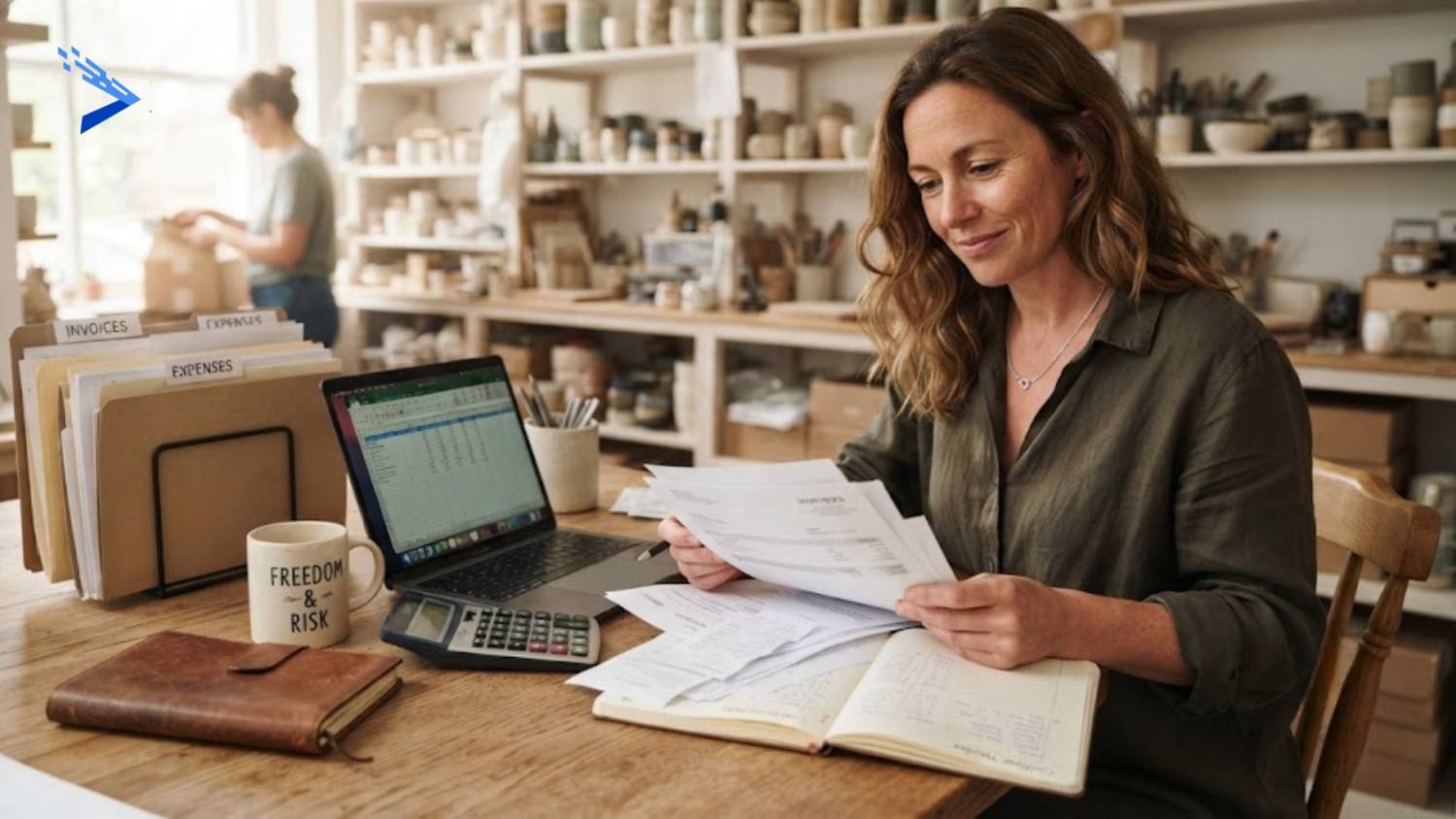
A sole trader is a self-employed person who owns and runs a business on their own. The owner and the business are legally the same, so they keep all the profits after tax but are also responsible for any business debts. Registering as a sole trader in the UK is a straightforward process through HMRC, making it a popular choice for freelancers, tradespeople, and small business owners.
A sole trader is one of the easiest ways to start a business. It gives you full control and has fewer legal and accounting requirements. Here are the main benefits of becoming a sole trader.
Starting as a sole trader is simple. You only need to register with HMRC and keep records of your income and expenses. There is less paperwork than there is for a limited company, making it a good choice for people starting a business for the first time.
As a sole trader, you make all the business decisions. You can choose your prices, services, working hours, and business goals without having to consult anyone else. This gives you the freedom to run your business your way.
One of the biggest benefits of being a sole trader is that you keep all the profits after paying tax and National Insurance. You do not have to share your earnings with business partners or shareholders, allowing you to benefit directly as your business grows.
Managing your accounts is usually easier as a sole trader. There are fewer reporting requirements than for a limited company, which can save you time and reduce accounting costs. This lets you spend more time growing your business.
A sole trader is easy to set up, but it may not be the right choice for everyone. Below are some of the disadvantages to consider.
One of the biggest disadvantages of being a sole trader is unlimited personal liability. If your business cannot pay its debts, you are personally responsible. This means your personal savings or other assets could be at risk.
Getting a business loan or attracting investors can be more difficult as a sole trader. Many lenders see limited companies as lower-risk businesses. This can make it harder to secure funding if you plan to grow your business.
A sole trader pays income tax on business profits. As your earnings increase, you could move into a higher tax band. In some cases, changing to a limited company may become a more tax-efficient option.
A sole-trader business relies entirely on the owner. If you are unable to work due to illness, holidays, or other personal reasons, your business may stop earning income until you return.
The right business structure depends on your business goals, expected income, and future plans. A sole trader is often the best choice for people starting a small business, working independently, or trying out a new business idea. It is easy to set up, affordable, and simple to manage.
A limited company may be a better option if your business is growing, earning higher profits or if you want to protect your personal assets. It can also provide tax advantages and make it easier to attract investors or apply for business finance.
Running a sole trader business involves more than just earning an income. Keeping your accounts up to date, filing tax returns on time, and meeting HMRC requirements are all essential for staying compliant.
Speedia accountants support sole traders, freelancers, start-ups, and limited companies with year-end accounts, bookkeeping, VAT returns, payroll, and tax planning.
Call us on 0333 242 6593 or email info@speedia.co.uk to discuss your accounting needs and let our experts help you keep your business finances on track.
Yes. If you start trading as a sole trader in the UK, you must register with HMRC for Self Assessment and report your business income. You should also keep accurate records of your income and expenses.
Yes. Many businesses start as sole traders and later change to a limited company as they grow. There is no fixed time to make the change, but it is worth reviewing your business structure as your profits and responsibilities increase.
The amount of tax you pay depends on your business profit and personal circumstances. Sole traders usually pay income tax and national insurance through self-assessment.
Sole traders can claim allowable business expenses such as office costs, travel, equipment, insurance, marketing, and professional fees. These expenses help reduce your taxable profit.
If your annual business profit is £24,000, the tax you pay depends on the current UK tax rates, your personal allowance, and any other income you receive. An accountant can calculate the exact amount based on your situation.