








 Speedia Team
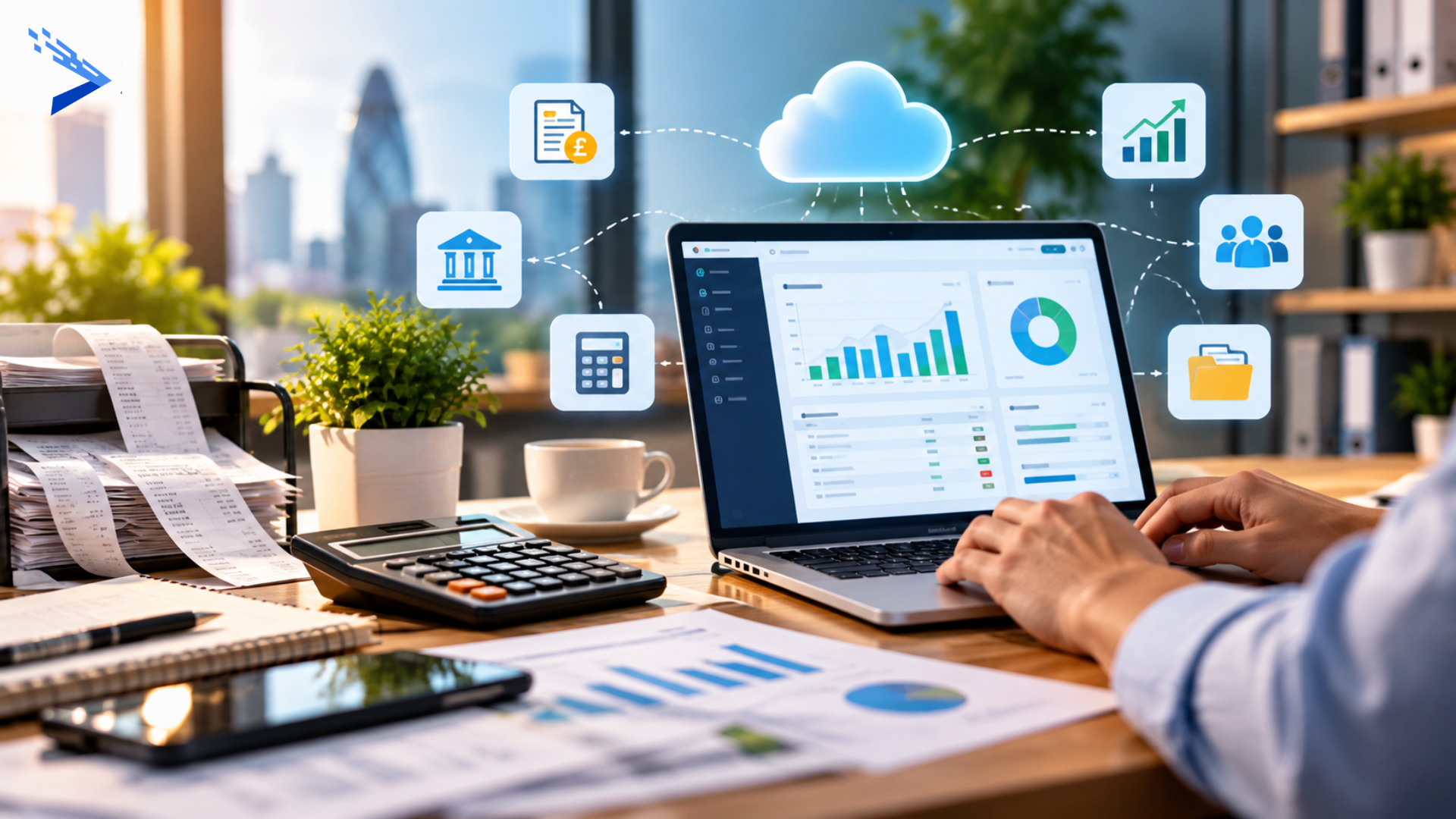
Managing invoices, expenses and payments using spreadsheets can become increasingly time-consuming as your business grows. Bookkeeping software centralises your day-to-day financial records, helping you record income and expenses, manage invoices, monitor cash flow and maintain accurate, up-to-date accounts.
In this guide, you’ll learn what bookkeeping software is, how it works, its main features and benefits, when your business may need it, and what to consider when choosing the right solution.
Bookkeeping software is a digital tool that helps businesses record and manage their financial transactions. The software stores financial information rather than income or payments.
It helps businesses organise financial data more efficiently and generate a range of financial reports when required. Many bookkeeping software solutions also provide secure online access, allowing businesses to manage their financial records remotely.
Bookkeeping software can support sole traders, freelancers, start-ups and limited companies by helping them manage financial records more efficiently.
Maintaining financial records manually can be time-consuming and may make it more difficult to assess overall business performance. Bookkeeping software centralises day-to-day financial tasks and helps businesses maintain accurate, up-to-date records.
Bookkeeping software allows businesses to record income, expenses, payments and other transactions in one place. Depending on the software and its features, this can reduce manual data entry and make it easier to maintain complete financial records.
Bookkeeping software can generate financial reports covering income, expenses, profit and cash flow. These reports provide greater visibility into business expenditure and overall financial performance.
Keeping income and expenses organised makes it easier to prepare VAT returns and meet other tax reporting requirements. Up-to-date records can reduce the administrative effort required when preparing year-end accounts.
Automatic calculations and transaction records can reduce errors caused by manual calculations or repeated data entry. You can also review your records and correct discrepancies before they affect your accounts.
Tasks such as recording transactions, tracking expenses, and organising financial information can be completed more efficiently. This gives business owners more time to focus on their customers and daily operations.
Up-to-date financial information helps you see your income, expenses and cash flow more clearly. This makes it easier to control costs and make decisions based on your current financial position.
Bookkeeping software helps businesses manage their finances more easily. It keeps your income, expenses, invoices, and financial records organised in one place. Common features include:
Businesses of different sizes and structures can use bookkeeping software to manage their financial records more efficiently. It helps manage day-to-day finances, keeps records organised, and saves valuable time. Here are the businesses that can benefit the most:
It makes it easier for sole traders to record income and expenses, create invoices, and maintain accurate financial records. It also helps prepare for Self Assessment and keeps all business information in one place.
Freelancers and contractors can use bookkeeping software to send invoices, track payments, and monitor business expenses. This software helps them stay organised and spend less time on paperwork.
Small businesses can use bookkeeping software to manage daily transactions, monitor cash flow, generate financial reports and improve financial record-keeping. It provides a clear view of the business's financial performance and supports better decision-making.
For new businesses, it helps build good financial habits from the start. It keeps records organised, simplifies bookkeeping tasks, and makes it easier to prepare for tax and VAT obligations as the business grows.
Limited companies can use bookkeeping software to manage business finances, record transactions, and prepare for VAT returns and year-end accounts. Maintaining complete and accurate financial records can help businesses meet their reporting and record-keeping obligations to HMRC and Companies House.
Speedia help you record all income and expenses, manage invoices, track payments, and keep all your financial records organised in one secure place. With a simple and user-friendly dashboard, you can manage your business finances without spending hours on paperwork.
We support VAT returns, year-end accounts and day-to-day bookkeeping. We also provide secure cloud access, allowing you to view and manage your financial information anytime, from anywhere. This helps you stay organised and ready for important accounting and tax deadlines.
Whether you're a sole trader, freelancer, start-up, or limited company, our software is designed to make bookkeeping simple. Contact us to find the right bookkeeping solution for your business.
The best bookkeeping software depends on the size and needs of your business, your budget, and the features you require, such as invoicing, expense tracking, bank reconciliation and reporting.
The main bookkeeping methods are single-entry, double-entry, cash-basis, and accrual bookkeeping. The right method depends on how your business records income and expenses.
Bookkeeping keeps your financial records accurate and helps you track income, expenses, cash flow, profit, and tax obligations.
Yes. You can manage your own bookkeeping if your business records are straightforward and you have the time and knowledge to keep them accurate and up to date.
An accountant can help with tax returns, financial reporting, compliance, and more complex accounting tasks, helping you manage your finances accurately and meet HMRC requirements.
The five most popular and widely used accounting software options for businesses are QuickBooks Online, Xero, FreshBooks, Zoho Books, and Nomi.